The right flooring for home gym spaces does more than look good. It protects the subflooring underneath, supports your fitness goals, reduces noise, and stands up to dropped weights, sweat, and heavy equipment.
Whether you are building a basement gym space, upgrading a garage gym, or converting a spare room into a dedicated workout space, choosing the best home gym flooring comes down to three things: durability, protection, and performance.
This guide breaks down the most reliable gym flooring options and explains how to choose the right surface based on your room size, workout style, and budget.
Understanding Your Gym Flooring Options
Gym flooring is available in several different varieties, including mats, tile, and rolls. Each option serves a different purpose depending on how you train.
Rubber Flooring Rolls
Rubber flooring rolls are one of the most popular home gym flooring solutions for strength training and high impact workouts. Made from recycled rubber or virgin rubber, these long sheets create a seamless look across the entire floor.
Rubber flooring offers exceptional durability and is extremely durable under heavy weights, weight plates, and exercise machines. It absorbs shock during high impact training and helps reduce stress on joints during extended periods of use.
Many homeowners choose rubber flooring rolls for:
- Heavy lifting
- Dropping heavy weights
- Supporting exercise equipment
- Noise reduction in shared spaces
Products such as Living.Fit Rubber Flooring Rolls are rated among the best home gym flooring options for overall performance. Flooring Inc 8 mm Rubber Rolls are also highly regarded for durability and minimal rubber smell.
Rubber flooring provides natural noise dampening, making it ideal for second-floor gyms or homes with shared walls. It also delivers strong floor protection against dropped weights and heavy equipment.
Interlocking Rubber Tiles
Rubber floor tiles and interlocking tiles offer flexibility and easy installation. Interlocking rubber tiles allow for easy, adhesive-free DIY installation, and no professional installation is required in most cases.
The interlocking edges create a tight fit that prevents slipping and keeps tiles aligned. If one section becomes damaged, you can replace a single tile instead of redoing the entire floor.
Interlocking mats are ideal for:
- Basement gyms
- Garage gym installations
- Spaces with poles or irregular layouts
- DIY projects without special tools
Living.Fit Gym Mats are a strong example of heavy-duty rubber gym flooring with an interlocking design built for strength training.
Rubber Mats and Stall Mats
Rubber mats, including horse stall mats, are a practical and affordable solution for heavy lifting zones.
Tractor Supply ¾” Rubber Stall Mats are widely recommended due to their durability and value per square foot. These 3/4-inch rubber horse stall mats provide maximum protection against heavy equipment and repeated dropping heavy weights.
They are especially useful in garage gym settings or over a cement floor where added protection is necessary.
Foam Mats and Foam Flooring
Foam mats and foam flooring are lightweight, cost-effective options best suited for bodyweight exercises, yoga, stretching, and low impact exercises.
EVA foam tiles are budget-friendly and easy to install. Products like ProsourceFit Puzzle Exercise Mats are designed for comfort and are totally fine for floor work and mobility routines.
However, foam mats are not designed for heavy machinery, heavy lifting, or high traffic areas. Foam compresses under weight and may shift beneath exercise machines.
Foam flooring works best in:
- Yoga studios
- Stretching areas
- Kids’ activity spaces
- Low impact training zones
Vinyl Flooring for Multipurpose Spaces
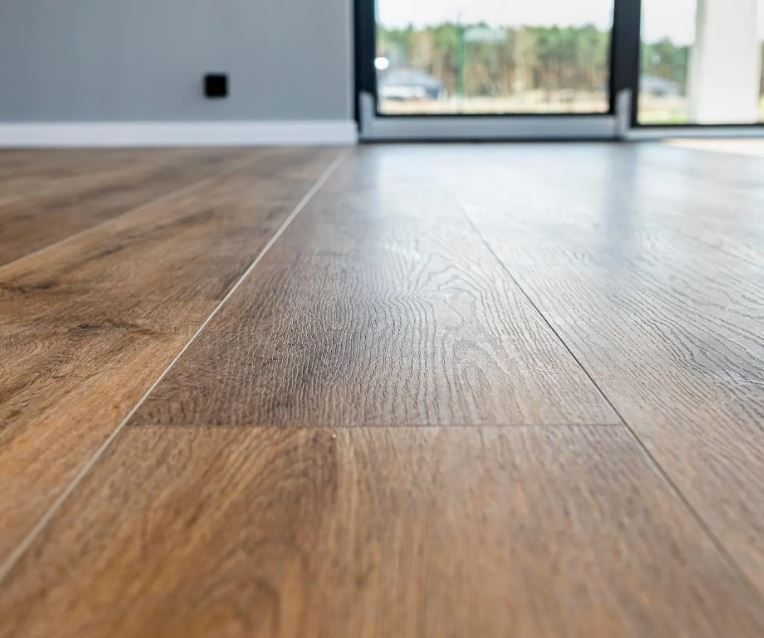
Vinyl flooring is durable, waterproof, and easy to clean. It works well in multipurpose rooms where design matters as much as function.
Luxury vinyl flooring is water resistant, handles moisture well, and stands up to garage conditions. In garage gym installations, pairing vinyl flooring with rubber mats underneath racks creates a balanced solution.
Vinyl is ideal for:
- Finished basements
- Shared workout space and living areas
- Cardio zones
- Rooms exposed to moisture
Because workout spaces tend to attract excess moisture from sweat or spills, waterproof flooring makes cleanup easier and prevents long-term damage.
Carpet Tiles and Plastic Flooring
Low-pile carpet tiles such as Eclipse Peel and Stick Carpet Tiles offer a budget-friendly option for bodyweight exercises and cardio equipment. Low-pile or flat carpets are more compatible with direct installation of rubber tiles or interlocking foam mats.
Plastic flooring and other materials may appear affordable upfront, but certain types of flooring substances amplify sound instead of dampening it. Cheap flooring materials often wear out sooner than quality rubber gym flooring.
What Makes the Best Home Gym Flooring?
The ideal type of flooring for your home gym protects your existing subfloor, supports your exercise routine, and holds up under pressure.
Thickness and Impact Protection
The thickness of your gym flooring affects comfort, protection, and performance.
- 8–12 mm rubber flooring works well for moderate strength training.
- 3/4-inch stall mats are recommended for heavy lifting and dropping weight from overhead.
- Thicker flooring provides better protection against dropped weights and high impact workouts.
If you plan on lifting heavy weights regularly, thicker rubber gym flooring is strongly recommended.
Durability and Equipment Support
Rubber flooring is durable and can withstand heavy equipment and dropped weights without damage. Its durability makes it resistant to wear and tear in high traffic areas, similar to commercial gyms.
Rubber flooring offers exceptional durability for supporting exercise equipment over extended periods.
Always check the manufacturer’s guidance to confirm the flooring is rated for installation over your existing surface, especially if installing over carpet or a cement floor.
Noise Reduction and Shared Spaces
Rubber flooring helps reduce noise when working out. It provides noise dampening and absorbs impact during high impact training.
If your gym space is on the second floor or shares walls with neighbors, products such as Second Skin Stomp Mats are praised for their soundproofing performance.
Certain types of flooring amplify sound, while rubber flooring helps minimize vibration transfer, making it ideal for shared living environments.
Safety and Slip Resistance
Rubber flooring provides a non-slip surface that helps prevent slipping during intense workouts. This added protection is essential during strength training or fast-paced routines.
Foam and rubber mats can be wiped down easily with mild soap and water. Avoid harsh chemicals, as they can break down the material and reduce lifespan.
Installing Gym Flooring
Many home gym flooring products are easy to install and require no adhesive.
Interlocking mats and rubber floor tiles are designed for simple DIY assembly without special tools. Rubber flooring rolls may require more planning due to room size and weight.
The shape and size of the room can create installation challenges, particularly around poles, drains, or uneven surfaces.
You can install gym flooring over carpet, depending on the carpet type and flooring chosen. Low-pile carpet is more compatible with interlocking rubber tiles or foam mats.
Always confirm compatibility with the manufacturer before installation.
Budget Considerations
If you are on a limited budget, understanding cost per square foot helps you compare flooring options accurately.
Foam mats and plastic flooring have lower upfront cost but may wear out faster. Rubber gym flooring carries a higher initial investment but lasts significantly longer in high traffic areas.
Cheap flooring materials can require replacement sooner, adding extra cost over time.
When choosing flooring for home gym projects, consider:
- Your workout style
- Room size
- Equipment weight
- Moisture exposure
- Long-term durability
Matching flooring to your fitness goals ensures the space performs well without frequent repairs or replacements.
Specialized Surfaces for High-Performance Training
Artificial turf is ideal for high intensity training due to its supportive surface and energy return. It works well for sled pushes and athletic drills.
For maximum impact protection in strength zones, many homeowners combine rubber flooring rolls with stall mats underneath lifting platforms for added protection.
This layered approach protects the cement floor and reduces shock transfer during heavy lifting.
Cleaning and Maintenance
Rubber flooring is easy to clean and maintain. Most rubber mats and foam mats can be wiped down using mild soap and water.
Because workout spaces attract moisture, waterproof and water resistant surfaces simplify upkeep.
Regular cleaning prevents buildup of sweat and debris that can reduce grip or damage the surface.
Choosing the Right Flooring for Your Home Gym
The best home gym flooring depends on how you train.
If you focus on strength training and heavy lifting, thick rubber gym flooring or stall mats provide maximum durability and protection.
If your workouts include yoga, stretching, or bodyweight exercises, foam flooring offers comfort and affordability.
If your space doubles as a living area, vinyl flooring combined with rubber mats offers flexibility and style.
The right flooring underneath your workouts should:
- Support your exercise machines
- Protect your subfloor
- Reduce noise
- Handle moisture
- Provide long-term durability
Selecting the right gym flooring options ensures your workout space performs as hard as you do.
Professional Installation for Long-Term Performance
A properly installed floor protects your investment and extends the life of your gym space. Whether you are upgrading a basement, garage gym, or dedicated fitness room, choosing experienced installers ensures a clean, durable finish.
Revive Flooring & Paint provides expert installation for home gym flooring, including rubber flooring, vinyl flooring, and customized gym flooring solutions.
For professional guidance and reliable results, contact Revive Flooring & Paint at (412) 912-4280 or email admin@reviveflooringandpaint.com to schedule a consultation.
Your gym deserves flooring that is built for performance, protection, and long-term durability.